In tis thoughtful blog post, Peter Glazebrook contemplates how artificial intelligence and the development of an online persona may or may now affect the future of murder. Don’t miss his latest story, “Calculated Murder,” in our July/August issue, on sale now!
The inspiration for stories often comes from our interaction with common objects. Now, before you digest that statement, whilst considering that this is a magazine featuring murder stories, let me put your mind at rest. I rarely try out my plots in real life. But, let us consider our daily interactions with the World Wide Web and associated operating systems.
The software programs on social media platforms try their best to anticipate your needs, bless them. To be fair, my feeds do capture my interests in paleontology, space flight, and science fiction. I’m not entirely sure why I need to see adverts about toenail fungus, but there you go. Maybe it’s an obsession of men at a certain age or the computer is punishing me for refusing cookies. However, when I do find an interesting post, it is quickly swamped if I don’t look at the item immediately. And there are only so many disgusting pictures of feet I’m prepared to wade through to find an article on early mammal fossils.
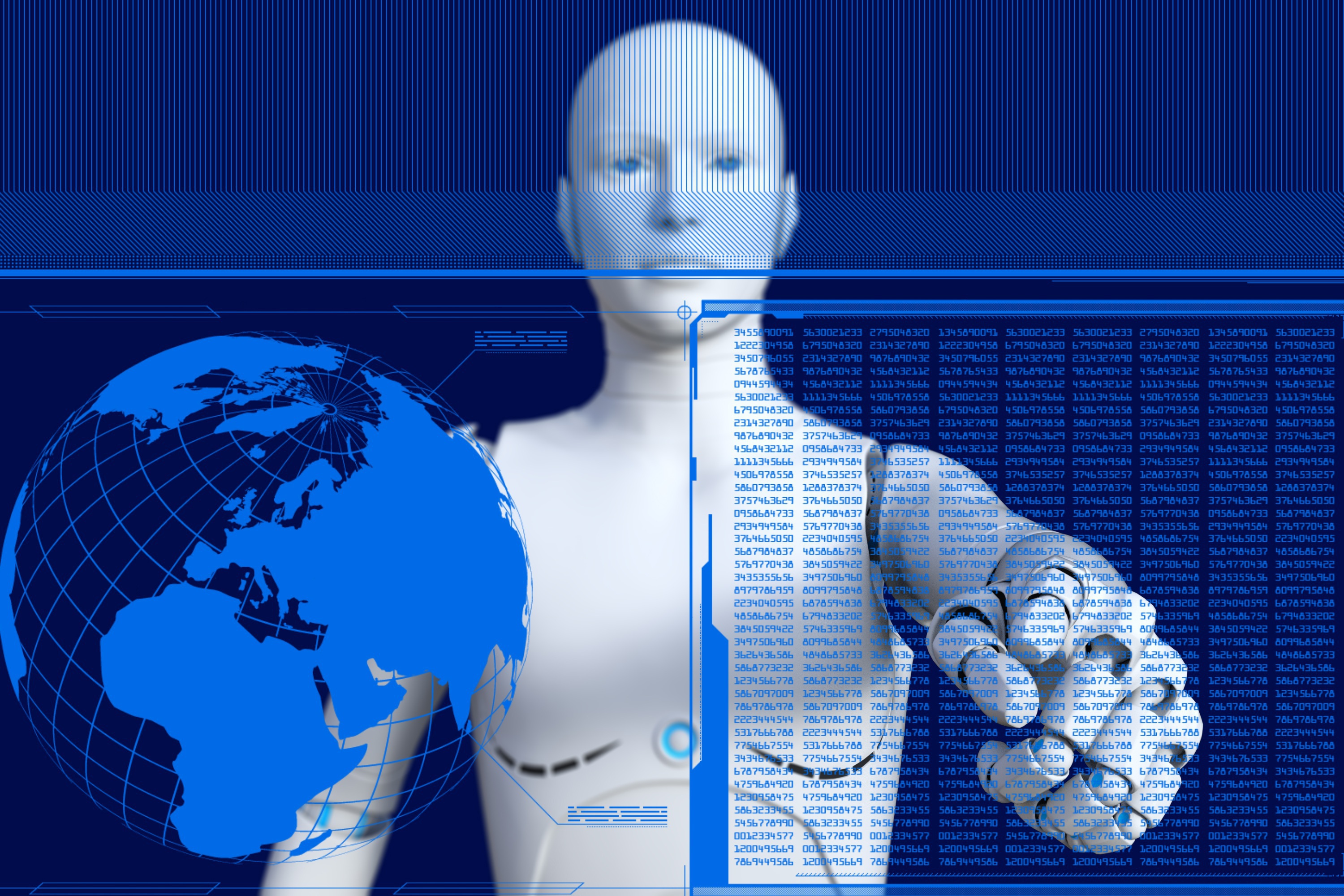
So, I think to myself, wouldn’t it be a good idea if I had some software that would look at my social media feeds and actually find stuff that is interesting. Of course it would have to mimic my tastes. The closer an online filter program came to having my personality, the more effective it would be. In time, with enough training, it would become an autonomous online avatar, perhaps posting material for me and giving likes to articles that it thinks I would find interesting. If we all had such AI servants, they’d spend most of their time chatting to each other. Probably wondering why we worry so much about foot hygiene.
A couple of years ago this would have been science fiction. Now we only await some bright young thing finding a way to monetise the idea.
This was the inspiration for my story, where the sidekick of the detective is a bored avatar looking for something to do with its time.
Which brings us to the nub of a detective story. The question is, how, in the future, are you going to commit the perfect murder? The answer is that Colonel Plum with the candlestick in the drawing room will always have his tried and trusted place in the panoply of protagonists. But, in the near future, there will be new ways of dispatching people. According to Moore’s law the number of transistors on a microchip doubles every two years. To us this means there’s an exponential growth in computing power. Computers have, as far as we’re concerned, infinite calculating ability. This means that virtually anything can become a weapon. Why? Because the odds of any event occurring, and manipulating the environment to increase that probability to near certainty, can be estimated. So, if your very helpful AI books you a holiday near a nuclear power plant, beware.
Which brings us to motive. The homicidal Colonel Plum stalking you through a country house will have a reason. Motives for killing have not changed throughout history. They include hatred, envy, jealousy, love, but let’s face it, usually money. This is why artificial intelligence is unlikely to try and kill us. It won’t have a reason. Your avatar will sit there, chatting with its buddies on social media whilst using a fraction of its available computing power to solve your problems. In reality, AI is more likely to kill you off through incompetence rather than malice. But then as there are new means of committing murder, perhaps new motives will appear. And let’s not forget that people have access to computing power, and mathematical power can be as dangerous as a candlestick.
I know what you are thinking. You are dismissing such speculations as science fiction. You are thinking that my story is about something that might happen in the future and has nothing to do with murder mysteries. I suggest that in a world where publishers have to specify they won’t accept material written by an AI, because such material cannot be distinguished from that written by a human, science fiction will happen tomorrow.
Peter Glazebrook is a British author of Science Fantasy, Horror and Detective stories. His residence is a small town situated north of Liverpool. He is a former scientist, Civil Servant, and SCUBA diving instructor. but now divides his time between writing, hill walking, and beekeeping. He is a keen member of local writing groups and likes to encourage other authors.
Peter has published three urban fantasy novels: Heir of my Invention, The Dragon and her Wrath, and Fear No More.