
Learn about the fascinating natural and cultural history behind a storied California lake that inspired Sue Parman’s latest for AHMM, “Corpse Handler and the Dead Ridge Walker” from our May/June issue!
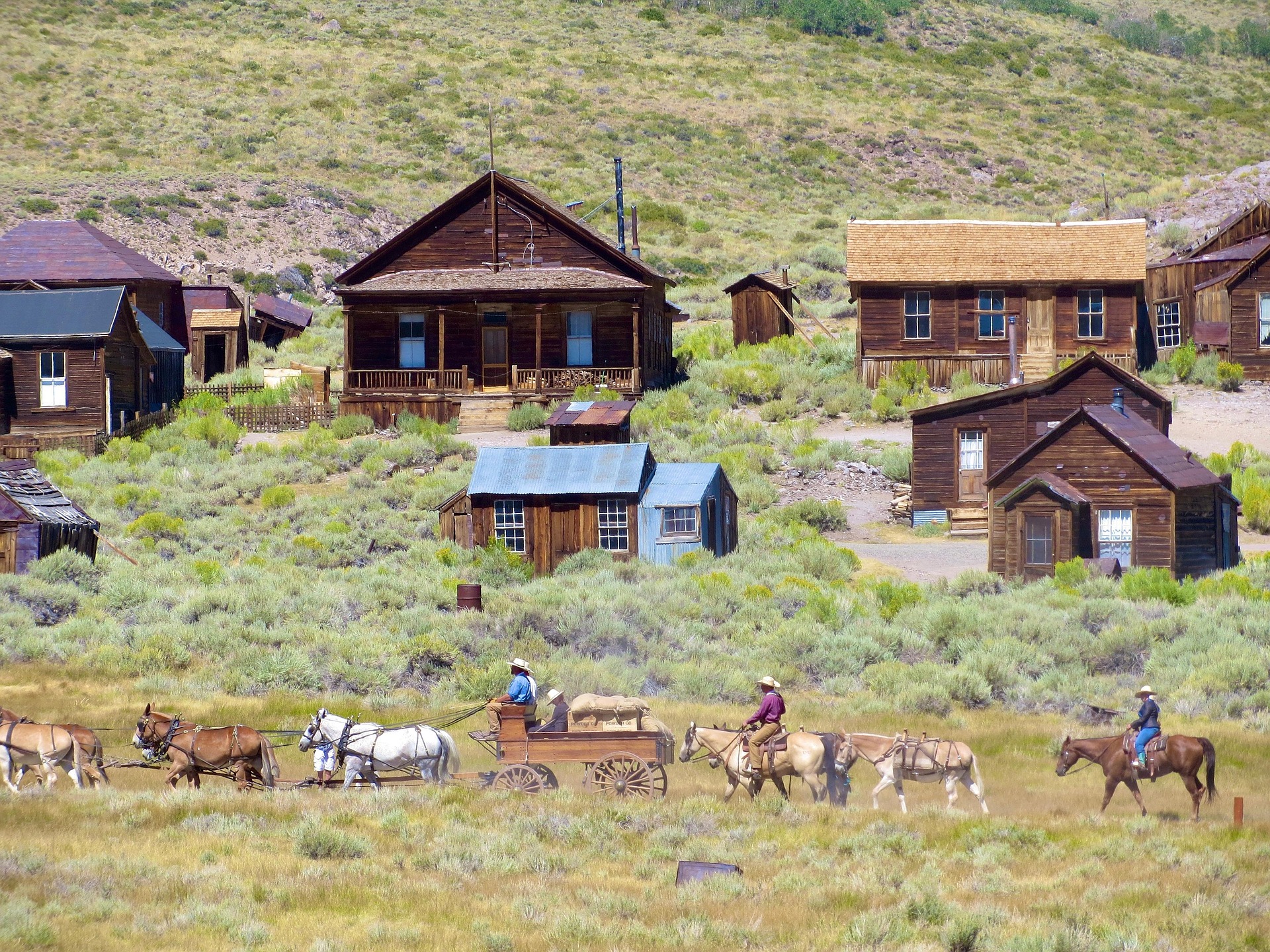
I began my career as an anthropologist studying a Gaelic-speaking community in the Scottish Outer Hebrides, but for thirty years I taught in and chaired a department in California, and gradually got to know the state’s history through short trips. The most significant event in the history of the state was the Gold Rush. Before 1848, as many as 300,000 Native Americans occupied the state. By 1870, violence and disease reduced their number to 30,000.
In 1983 a newspaper headline caught my attention: “The Ghost Lake Returns.” Heavy rain was falling in the San Joaquin Valley, flooding the towns and farmlands, filling up what I learned to be over thirteen thousand square miles of a shallow basin that once constituted a freshwater lake called by the Yokuts Pah-ah-su, by the Spanish El Lago de los Tulares, and by the American gold miners and settlers Tulare Lake. One of the largest populations of Native Americans in California resided around this lake until they were destroyed in the wake of the Gold Rush. Incoming settlers dammed the rivers that had flowed into it, drained the lake, and created massive farmlands. I learned that the Yokuts used to host an annual Big Time at the lake when many tribes gathered to arrange marriages, exchange trade goods, and settle disputes.
I found it very poignant that the “ghost lake” sometimes returned, as if to remind current California residents of the devastating history of Native American destruction and displacement. I was also very moved by a description of Ridge Walkers who carried news among the tribes. I began to write a book about an orphan boy adopted by a Yokuts Headman to succeed him as Headman (a replacement for his idiot son, who was not really an idiot), but all the boy wants is to become a Ridge Walker.
As many writers with multiple careers and duties do, I worked on the story when I could. The plot changed. I added villains, love interests, historical events. It sprawled over continents and decades. I had an agent, and then I didn’t. The book (now a trilogy) didn’t sell.
Throughout my life I have loved to travel, either in person or through writing. I pick places I want to visit—Tibet, the Faroes, the Amazon—and find an excuse to spend time there by spinning a story. I never used to think about genre until my daughter, Gigi Pandian, became a successful mystery writer.
So I decided to write a mystery. And since I wanted to travel to the Faroe Islands, I set the mystery there, and it became “Gannets and Ghouls” that was published by Ellery Queen Mystery Magazine in 2024. The mystery genre provided a wonderful platform to weave together anthropological details, cultural themes, and a suggestion of supernatural weirdness. (And the stories didn’t take thirty years to finish.)
Last year, while going through boxes of my old Ridge Walker story, it occurred to me that the Yokuts role of Corpse Handler was the equivalent of a Coroner whose responsibility was to discover the cause of death. I dusted off some of my characters and rearranged them, and felt a deep sense of satisfaction at the chance to reanimate a lost period. I look at the story and feel that the ghost lake of Pah-ah-su has returned.
Sue Parman is an anthropologist who writes in a number of genres outside of her academic work, from poetry, plays, and literary fiction to mysteries and horror. She has been published in numerous journals and anthologies including Best Women’s Travel Writing; Journeys: The International Journal of Travel and Travel Writing; The Antioch Review; Lumina; Rattle; Short stories of Crime, Detection, and Mystery; and Ellery Queen Mystery Magazine. Her story “Gannets and Ghouls” was included in Rabia Chaudry’s “Mystery Hour” podcast (July 2025), and she has contributed to EQMM’s blog, somethingisgoingtohappen.net under the general heading of “The Anthropologist and the Mystery Writer” (“The Structure of Secrets,” “The Theory of Limited Good,” and “Killing Cats [in Fiction] as a Creative Act”). In academia she has written extensively about the evolutionary significance of play, and explores these ideas in her web site, www.sueparman.com, especially “Daily Quote.”
 Trace Evidence