Whatever your background or experience, it influences your writing.
My urge to write is probably genetic. Both my sister and I entered kindergarten reading at the fourth or fifth-grade level because the previous generation included two teachers and two journalists, so people read to us as soon as we could sit upright. We are the youngest of eleven first cousins, six of whom (including me) became teachers. Two cousins besides me also participated in theater, so we got used to hearing stories read with expression and feeling.
I came to publishing late, but I’ve written for most of my life, producing my first stories at ten or eleven, copying the Hardy Boys stories after discovering them on The Mickey Mouse Club (Okay, I’m dating myself). My mother, a stenographer turned housewife, typed them up, and seeing my words in print was a thrill that never went away.
I gave up writing in my teens, but a grad school seminar on American short fiction rekindled my interest in the early 70s and, between 1875 and 1980, I submitted five horrible manuscripts to publishers. I submitted the last one as my sixth-year project at Wesleyan University and told myself that someday, I would go back to it and make it marketable.
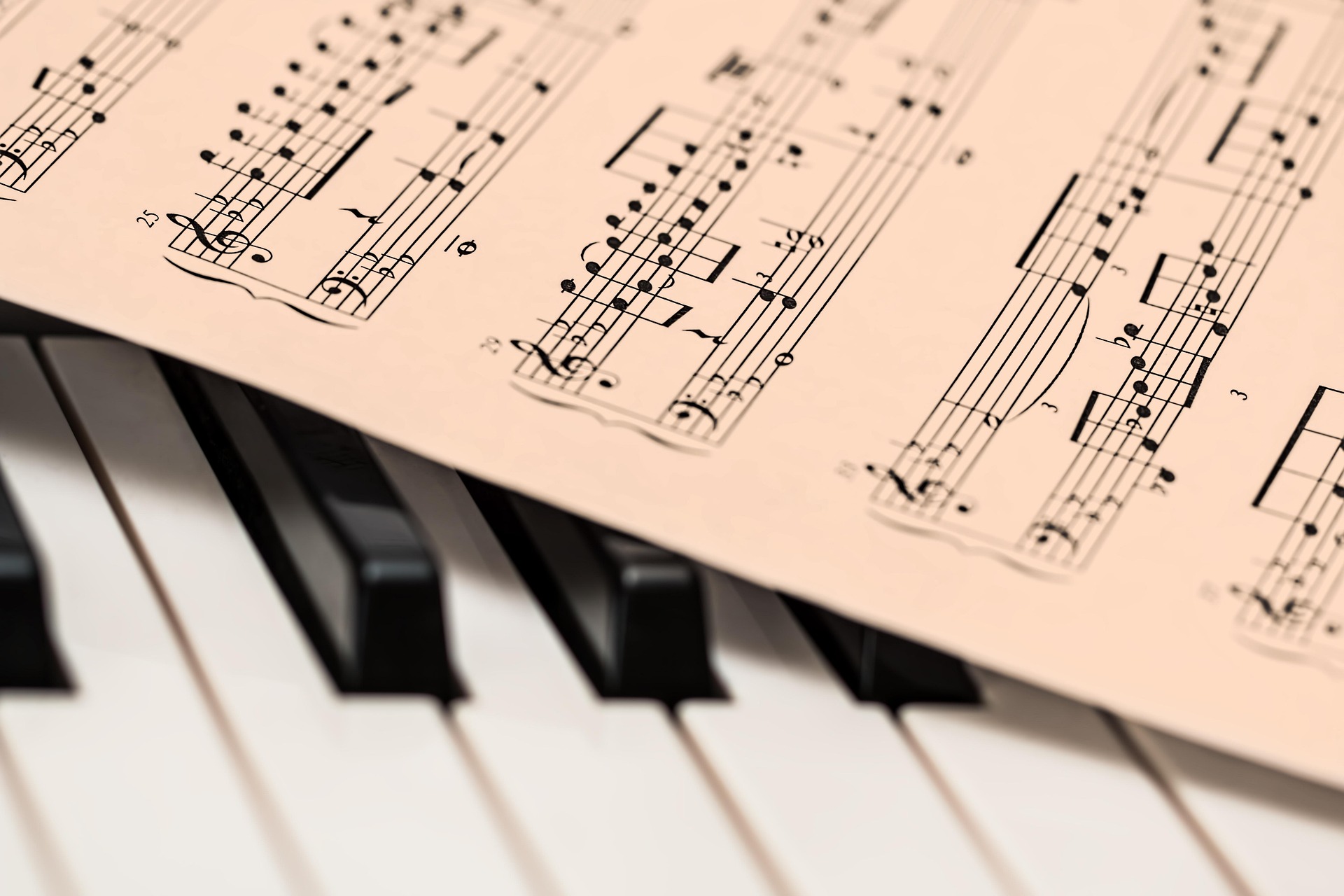
My parents were excellent dancers from the Swing era, and either records or the radio filled my world with music, constantly.
One of my uncles used to play my great aunt’s piano on Sunday evenings when we all gathered there for monthly family dinners. I and wanted to play piano, too. Unfortunately, our house was too small to accommodate a piano (this was the 1950’s, before electronic keyboards), so I ended up studying violin for a year. Violin didn’t match the music I heard in my head, so I quit. By then, I was balancing music and my Hardy Boy fixation along with baseball, football, and golf.
When the British Invasion arrived via the Ed Sullivan show, I wanted to play guitar, but didn’t follow up on that dream until I saw the Muddy Waters Blues Band open a concert for Martha and the Vandellas at my community college. Within weeks, I bought a cheap guitar and a Mel-Bay guitar book. When I transferred to Oakland University a few months later, several guys in my dorm were folkies, and I started learning from them, too.
After graduation, I became a high school English teacher. That meant I knew how to write a decent sentence and paragraph, but I didn’t know how to tell a story. I was teaching by the time I wrote those awful novels I mentioned earlier.
My first wife was a classical clarinetist who could sight-read any music you put in front of her. I couldn’t read music very well, but my ear for chords was almost infallible, and, from a brief study of bass guitar (I was in a very short-lived rock band in college), I had a basic understanding of music theory.
We divorced in the early 80s, and I drifted into community theater, where I met my second wife, Barbara. I worked in 100 productions as an actor, director, designer, technician, producer, or—rarely—a musician, often several at once. I haven’t worked in theater in about a decade, but Barb still acts in four or five productions a year throughout eastern Connecticut. She is also an infallible Beta reader.
Music, theater, and writing have overlapped for most of my life. Maybe I’m trying to find something I do well. Still playing guitar adequately, and heavily immersed in theater, I retired from teaching in 2003 and decided to try writing again, but this time I took it more seriously and attended workshops to learn the craft.
Chris Offutt critiqued the first chapters of a novel at the Wesleyan Writer’s Conference, and said he could tell I did theater because I wrote excellent dialogue. But he said I had to rely on it less and use more narration and description. That led me to books on plotting and character. I attended more workshops and got advice from other writers who helped me along until my terrible work improved.
After 350 rejections for about fifteen stories and many revisions of various novels, I sold my first short story, four years after retiring from the classroom. Three years later, I sold my first novel. I still play guitar and am studying piano, about 65 years too late. Last night, I attended a new musical play written by a former theater colleague. He and I acted together and directed each other, and I played guitar in a previous show he wrote.
Theater and music are huge influences on my writing.
Why? you ask.
Because American English is built on RHYTHM and INTONATION. Look at the difference between PASS THE TEA BAG and PASS THE TEA (pause) BAG. Or put a pause after “road” in WHAT’S THAT IN THE ROAD AHEAD?
If you don’t think intonation matters, consider people who end a sentence on a rising note, even when they aren’t asking a question. It blocks your instant comprehension, doesn’t it?
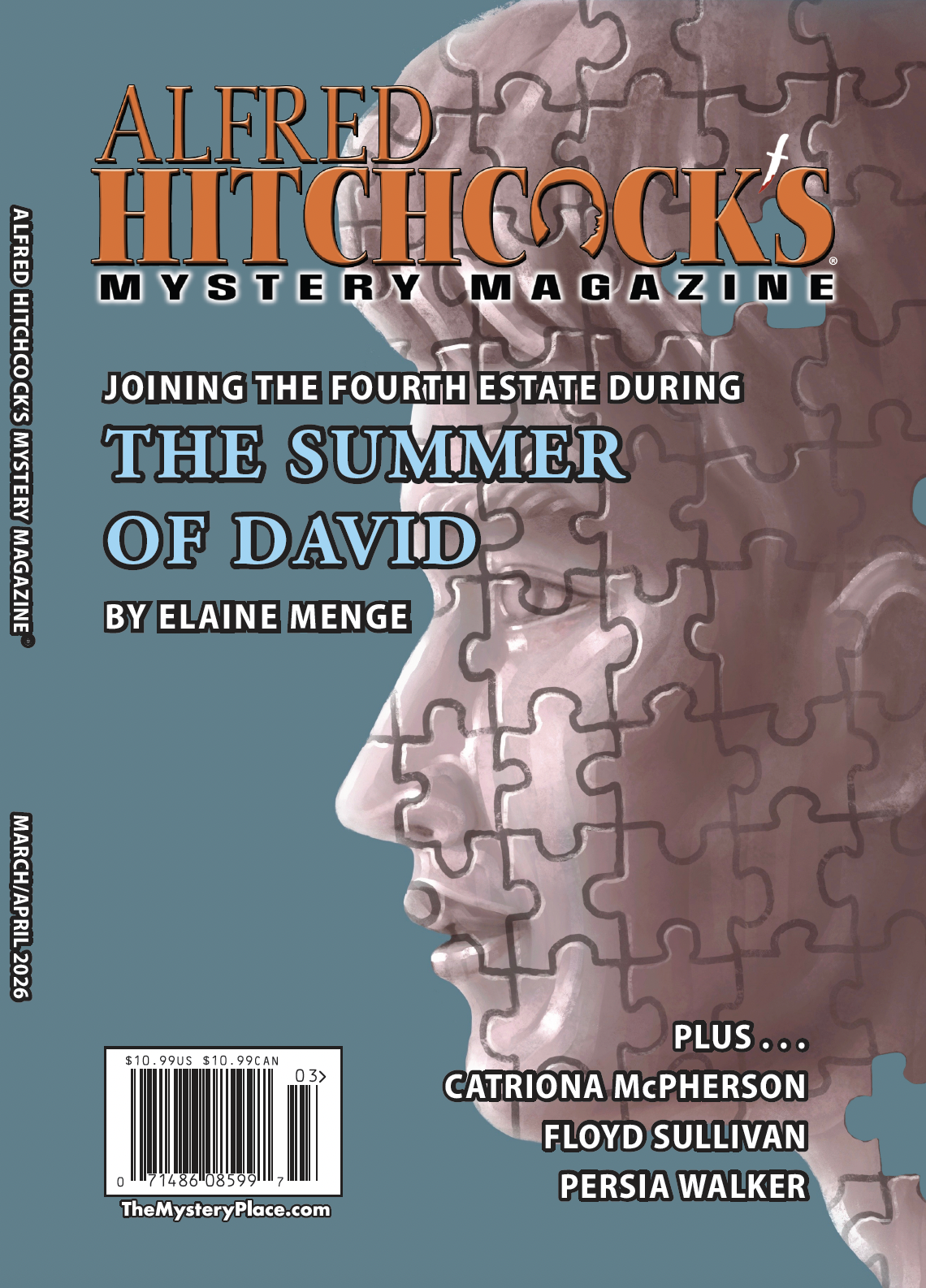
When I’m writing, I hear the pauses and rests as if I’m listening to music. I know some writers who listen to specific music when they write (I’m not one of them), and many of my story and novel titles are also song titles because of a subject or mood. “I Ain’t Got No Home,” in the March/April issue of AHMM, is an old Woody Guthrie song. It’s also the name of an early rock ‘n’ roll song by Clarence “Frogman” Henry.
Twenty-five years of theater, directing everything from Shakespeare to Edward Albee to Lanford Wilson to Christopher Durang, and acting in Wait Until Dark (a crime drama), Noises Off (a British farce), All My Sons (a family drama), Hamlet (Claudius), As You Like It (Jaques), or Book of Days (a murder mystery) amplify that music experience. A scene and play have their own rhythms and tempo changes. If the audience watches a 90-minute-plus production with every scene at the same rhythm and tempo, they’ll all be asleep by the curtain call.
It’s the same in writing. Even a short story has rhythm and tempo shifts to emphasize an event or idea. A novel has hundreds of them. I still remember a woman who stage managed two shows for me and knew my rhythms. She was a Beta reader for one of my novels, and told me, “There’s a huge energy drop in this chapter.” When I looked at it, I realized it was much too long. I cut it in half. Sometimes, the rhythm shift means more or less dialogue, or a longer transition. One of my early novels dragged badly in chronological order, but when I started in the middle and slid the early scenes in as brief flashbacks, everything chugged along so the readers kept turning pages. Listen to the music. And find your light.
 Trace Evidence