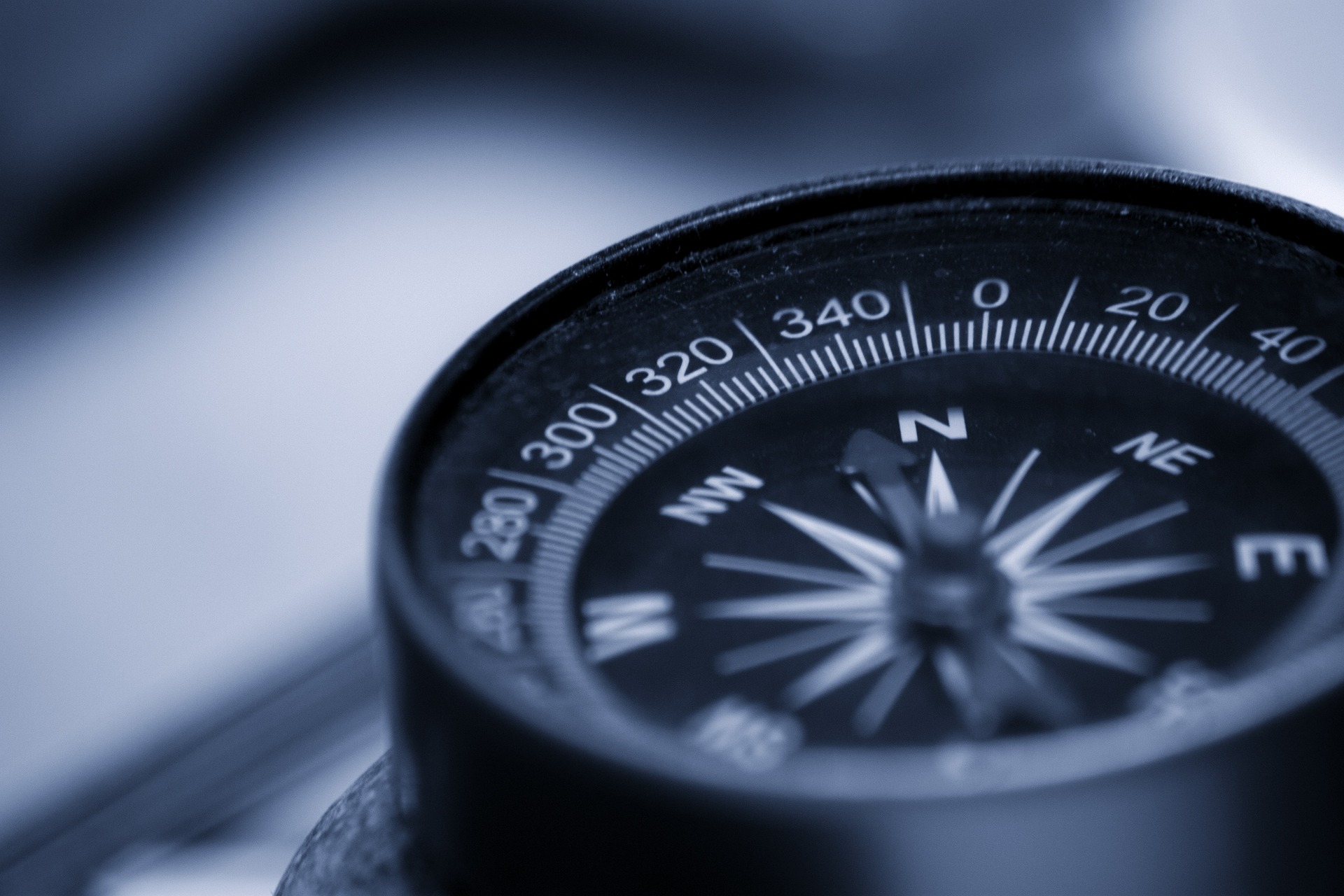
Compasses aren’t fashionable, anyway, even if you had remembered to bring one. We’re supposed to charge into the badlands relying on our shiny new GPS app, even it if does sometimes tell us to drive over the nearest cliff. How rude. It doesn’t even say please.
Good, tuned-in people go it alone. You’ve been told repeatedly that to rely on maps, or a compass, or stories, or any other sort of objective guidance is a myth, maybe even oppressive, because guidance is Old School. Guidance means subjugating your journey to the experience of others, leftover advice from the imperialist days when two plus two always equaled four. No point asking those dead people for directions, even if they did know where the cliffs used to be and maybe still are. Better to forge into the unknown without the stale, elitist privilege of advice from those who’ve been there before.
Listen, you don’t play games with this place. People really do die out there. The desert makes it real easy to be stupid.
But why should you presume to be better than stupid people? How dare you be such a snob! You can just imagine the comments, if this were a video and not just some anonymous, undocumented walk.
You grab the plastic bottle of water from your central console, grateful to the Navajo teenager at the gas station who insisted you take it, a stocky young man with skin that glowed like polished oak and an impossible fall of coal-black hair streaming to his waist, hair that managed somehow to be black, coarse and featureless and yet shimmering all at the same time. The water had been cold when you accepted it. Now, it’s the same temperature as your skin.
You pause, standing next to your cooling, clinking car and then step away, hoping it will start up again when you need it to. You head east where the moon is rising and the hills strike your eyes with a sharply silhouetted clarity usually seen only by saints and lunatics. Everything’s fine. Why be afraid when here it’s all about you.
Sure, someone not you built a shack here once, but now it’s almost collapsed, as gray and splintered as any seaside shanty. You walk on and stumble on strange symbols, a Maltese Cross, fifty feet across, with concrete, triangular petals converging on a round, central plaque.
1966. U. S. Army Map Service
Presumptuous. Imperialist. Elitist. Obsolete junk.
Further on, you see disintegrating strips of concrete, hints of what might once have been roads. Dream streets, for a project that never was, started and never finished by someone who isn’t you and isn’t here now. You don’t need no stinking roads.
And there, in the middle of all the nowhere, a six-foot square of wire fencing protects a featureless gray trapdoor in the sand. The gray paint on the steel is mottled and split like the skin of one of the local reptiles but the hinges are oiled and shiny. The lock was recently replaced. Someone uses this to go down into the rocky dirt, but they’re not leaving you any hints. No maps. No guidance this time. Where they go to and why is none of your business. The yellow and red WARNING sign tells you so. Move along.
The next ridge over, swirls and spirals have been left behind in the rough sand, big and obvious as crop circles. People, kids, on ATVs, spinning donuts into alien code that will last decades.
These people, the strange crowd that’s passed through and left graffiti behind them in concrete or steel or sand, are gone. It’s all about you because you are the only person, the only human, for all the miles that are visible.
I gave you water because you are beloved. Dear, dear fool.
In the desert you can remember your name so the song says. But your name is not the problem. You have so many names, created to make you predictable, allowing you to pass in the world that has no guidance. Please, doctor. Excuse me, Miss? Hey, buddy. Listen, lady! Names created to bury truth rather than reveal it. Names that eliminate surprises. My ex. The suspect. The witness. Person or persons unknown. Names that are excuses. Normal, usual, everybody else does it. What else could I do?
So much. So much else you could have done.
This is the desert. You can find clues, but you can’t hide them here. Your steps remain behind you for years. You can see the outline of the shallow graves of your truths glaring in their mounds of dug industry and trash amidst the glistening perfection of what had been perfect land, wind blown into uniform ripples. So foreign, here, these human acts—the steel, the concrete, the discards, the lies. So different from the efficient skitterings of reptiles and insects, the invisible landings and delicate foraging of the birds.
Every act, recorded in salt and silicon. Every step, seen. You walk on, deliberately choosing a fractured path around a tiny hill that will hide the distant view of your car. And then you realize that you did this crazy thing, drove all this way, were guided here to wail, to mourn, to repent. It’s all about you.
By using the weapons of your enemy, you have sacrificed
that which you fought to protect.
And these, the darkened gray hills, the scrub that is releasing new, mysterious tweets and rustlings as the sun sets, the open bits of sand that might be the path back to your car, these lovely horrors, are your only reward.
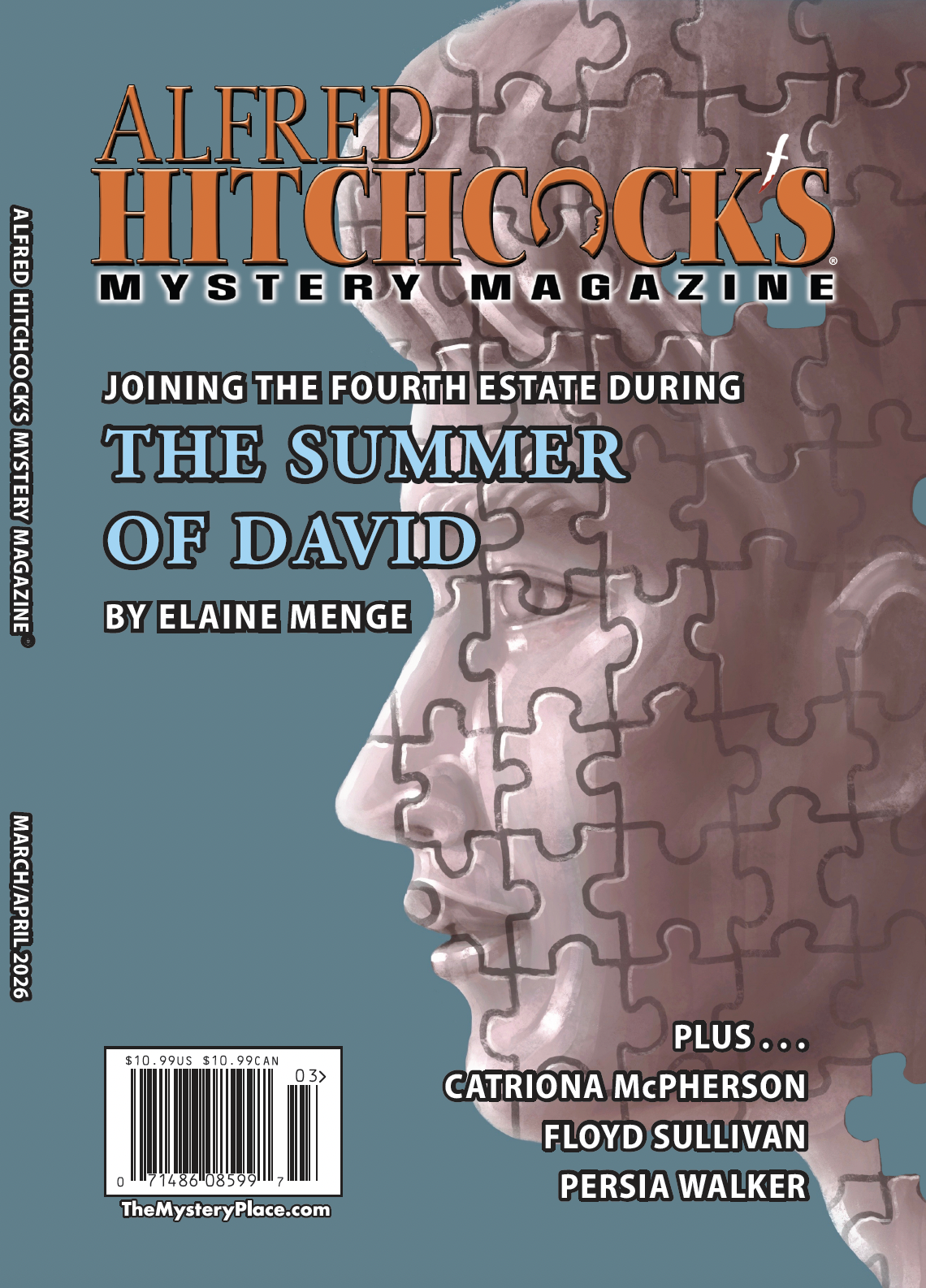
 Trace Evidence